There’s a side of planning trips that most travelers will never see—and, frankly, they shouldn’t have to.
When we decide to take a group somewhere less traveled, we aren’t simply asking, “Is this destination amazing?” We’re asking: Can we move 15 or 20 people around comfortably? Are the vehicles reliable? Can the hotels deliver the level of service our travelers expect? What happens if someone gets sick? How far is the nearest airport? Can the restaurant accommodate dietary restrictions? Is there enough infrastructure to execute the itinerary we’ve imagined?
And sometimes, the answer is: not quite.
That’s where the difficult decisions begin.
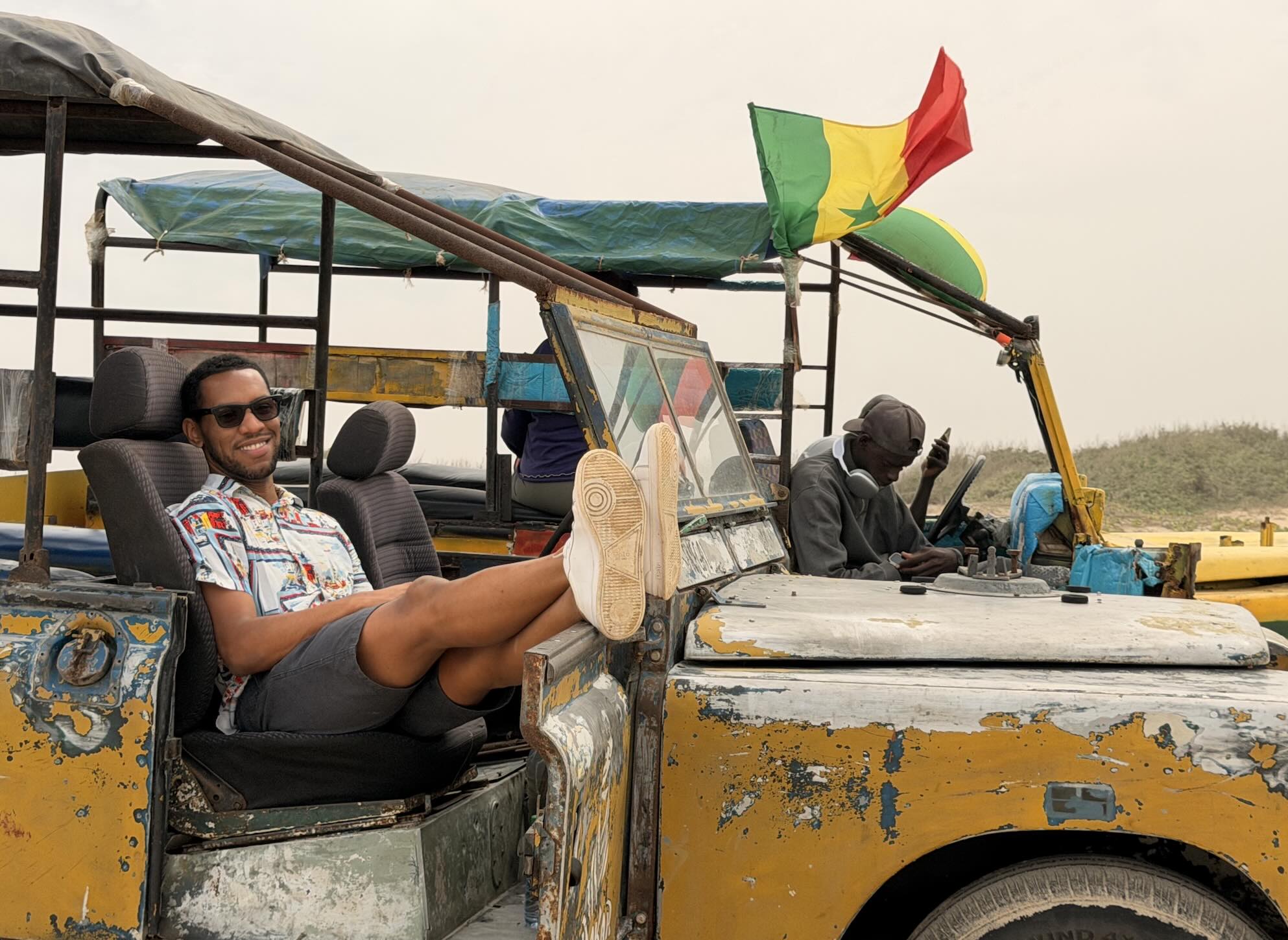
Some of the most extraordinary places in the world simply don’t have the tourism infrastructure of Paris, Dubai, Tokyo or Cape Town. You might find an incredible lodge, but it only has six rooms. You might find the perfect cultural experience, but getting there requires four hours on a road that makes Google Maps’ estimated travel time feel like fiction. You might find the best hotel in the region—and still have to remind yourself that “best available” and “Haitian Nomad standard” are not always the same thing.
And yet, I don’t want us to stop going to those places.
Because if we only traveled where everything was easy, polished and predictable, we would miss so much of what makes this world incredible.
There is something special about introducing someone to a country they once had to Google to find on a map. There’s something rewarding about watching travelers experience a culture they knew very little about and leave talking about it as one of their favorite trips. Mauritius was one of those places for us. Benin was another (which deserves its own story time later). And after visiting more than 19 countries across Africa, I’m still fascinated by how different every single one can be.
But I’ve also learned that authenticity and comfort don’t have to be enemies.
Our travelers want to sit with local families, visit villages, eat food they’ve never tried, learn traditions directly from the people who practice them and venture far beyond the typical tourist circuit.
But at the end of that incredible day?
They also want a great shower, good air-conditioning, a comfortable bed, reliable Wi-Fi and a beautiful hotel to come home to.
So much of our work is trying to build that bridge: adventure without unnecessary discomfort, luxury without disconnecting from the destination, and authenticity without sacrificing the standards people trusted us to deliver.
Sometimes we get that balance exactly right. Sometimes we learn lessons the hard way. Sometimes we visit a destination and realize that although I would happily return tomorrow, it may not yet be somewhere I’m comfortable bringing 20 guests.
That distinction has become increasingly important to me.
Running a travel company has taught me that being adventurous enough to discover a destination is very different from being responsible for someone else’s experience there.
When I travel personally, I can tolerate inconvenience. I can handle a terrible hotel room or service, squeeze into an uncomfortable vehicle or change plans at the last minute. When someone has spent thousands of dollars and Haitian Nomad's name is on the line....the equation changes completely.
Curiosity tells me where I want to go. Responsibility determines where we take our guests. And somewhere between those two things is where Haitian Nomad trips are born.
That’s probably why, even after all these years, planning the next destination still excites me. There are so many corners of this world left to explore—and so many places I can’t wait to host.
The hard part? Figuring out how to get you there, give you the adventure of a lifetime……and still get you back to the Marriott by bedtime. 😂